Evidence-informed research
Modern research, clinical context, and evidence boundaries help readers ask better questions about what may have been missed.
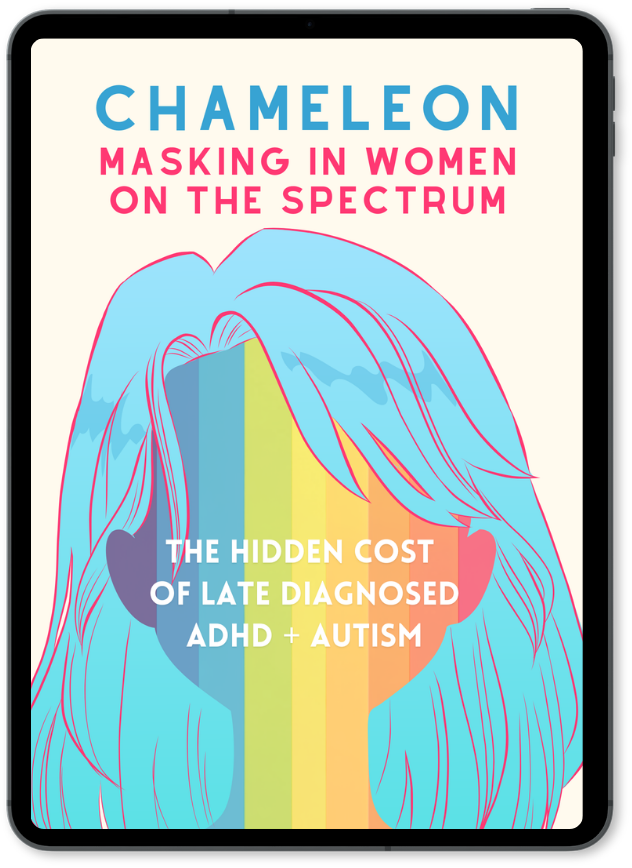

Connecting masking, the body, emotions, hormones, relationships, identity, diagnosis, and healing for women on the spectrum.
Modern research, clinical context, and evidence boundaries help readers ask better questions about what may have been missed.

Mind, body, sensory experience, stress, identity, and relationships are considered together instead of as isolated.

Lived experience helps illuminate the gap between what others see and the internal effort required to appear fine.
For readers making sense of ADHD, autism, AuDHD, masking, and a lifetime of adapting to survive.
Late-diagnosed women or those still seeking answers.
Women tired of masking, people-pleasing, and burnout.
Women navigating hormonal changes or identity shifts.
Parents, partners, educators, providers, and caregivers.
Recognition, masking, executive function, sensory processing, overload, and the internal cost of adaptation.
AuDHD, co-occurring conditions, genetics, the body, and the messy overlap that makes simple labels fail.
Hormones, motherhood, communication, work, relationships, treatment decisions, and identity change.
Practical reflection, worksheets, questions to ask, symptom clusters, and resources readers can keep using.
A comprehensive map to feel seen, listened to, and to recover yourself after years of making yourself smaller or easier for others to understand.
Masking women can spend years being praised for coping while privately carrying nervous-system overload, emotional intensity, exhaustion, and chronic self-doubt.

Exploring the patterns of neurodiversity alongside trauma or chronic stress responses, including fawning, without reducing neurodivergence to trauma alone.
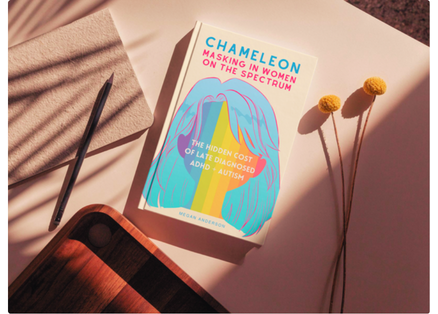
This is for the ones who read the room and learned to adapt themselves. For those who want to understand the why under the performance.

Co-occurring ADHD and autism, often called AuDHD, can produce competing needs and may be hidden under years of masking and compensation.
The book goes beyond recognition into what often comes next: a shift in how you interpret your history. When late diagnosis changes the meaning of your past, it can also create room for more self-compassion and better language for the ways you were misunderstood.
So much about women on the spectrum has been misunderstood for so long, and that left many women feeling like they were the problem. This section helps replace shame with context.


You don’t have to navigate neurodiversity alone. Kaleidoscope Support offers free tools and more resources like:

Relax in a peaceful coastal eco-retreat with space for massage, R&R workshops, nourishing meals, yoga, meditation, nature, bonfires, amenities, and more.
Our wellness retreats are designed as immersive adult experiences for individuals who want a safe, judgement-free place to reconnect with themselves and others.
Reconnect with yourself and find your tribe.

Set on peaceful grounds away from the stress of daily life, with room to slow down and focus on your own care.
Each experience invites deeper reflection, relaxation, self-care, and self-expression in a calm adult retreat setting.